
Every January, people decide to change their fitness. They sign up for high intensity boot camps, Cross Fit programs or start training for events like Hyrox. Motivation is high, expectations are big and bodies are often not ready.
Ask any osteopath, physio or sports therapist what January looks like for them and you will hear the same thing. My osteopath rubs his hands together, thanking the gods of Cross Fit for all the pulled muscles, joint injuries, chronic back pain. Six months of rehab from a four-week burst of enthusiasm, not to mention the costs that will dwarf your exercise membership investment.
The problem is not ambition, the problem is that most people assess fitness plans based only on results,
not risk.

Why Injury Risk Matters More Than Motivation
When people choose a new fitness path, they usually ask:
- Will this get me fit quickly?
- Will it help me loose weight?
- Will it push me hard?
Very few ask:
- What happens if I get injured?
- How long will I be out if something goes wrong?
- Can I train Safely when I am tired, stressed or inconsistent?
An injury does not just pause progress; it often ends it completely.
High Intensity Training and Injury Risk
Hyrox, CrossFit and Boot Camps
These formats are designed to push intensity.
They often involve:
- High impact movements
- Fatigue based training
- Complex lifts under time pressure
- Little margin for error
For experienced athletes, this can work well. For people returning to exercise, changing body composition or rebuilding fitness, is where injuries often begin.
The biggest risk factor is fatigue. As technique breaks down, joints and connective tissue take the load instead of muscles.
The benefit is obvious. These workouts feel productive and intense. The cost is often delayed and shows up weeks later, or even earlier if you’re super unlucky.
Traditional Gyms and Self-Directed Training
Traditional gyms sit somewhere in the middle, they offer flexibility but very little guidance. After years of gym use and lock down, I can no longer bring myself to visit a gym, we’re lucky enough to have one at home though – no shared equipment, no one else’s body odour or fluid to deal with and no waiting for equipment. If you are going to consider a gym, these are the risks.
Common risks include:
- Poor technique
- Overloading too quickly
- Inconsistent training patterns
- Guesswork programming
Many injuries come not from doing too much in one session, but from doing the wrong things repeatedly over time.
Where Brazilian Jiu Jitsu Fits In
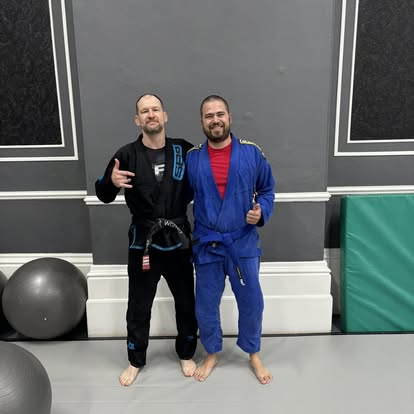
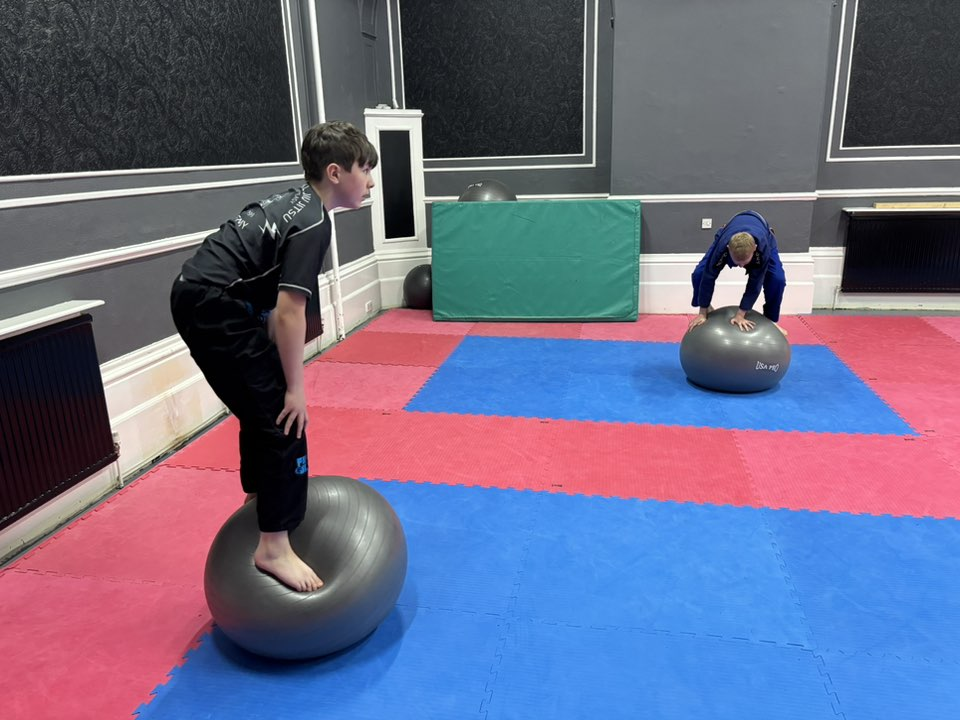
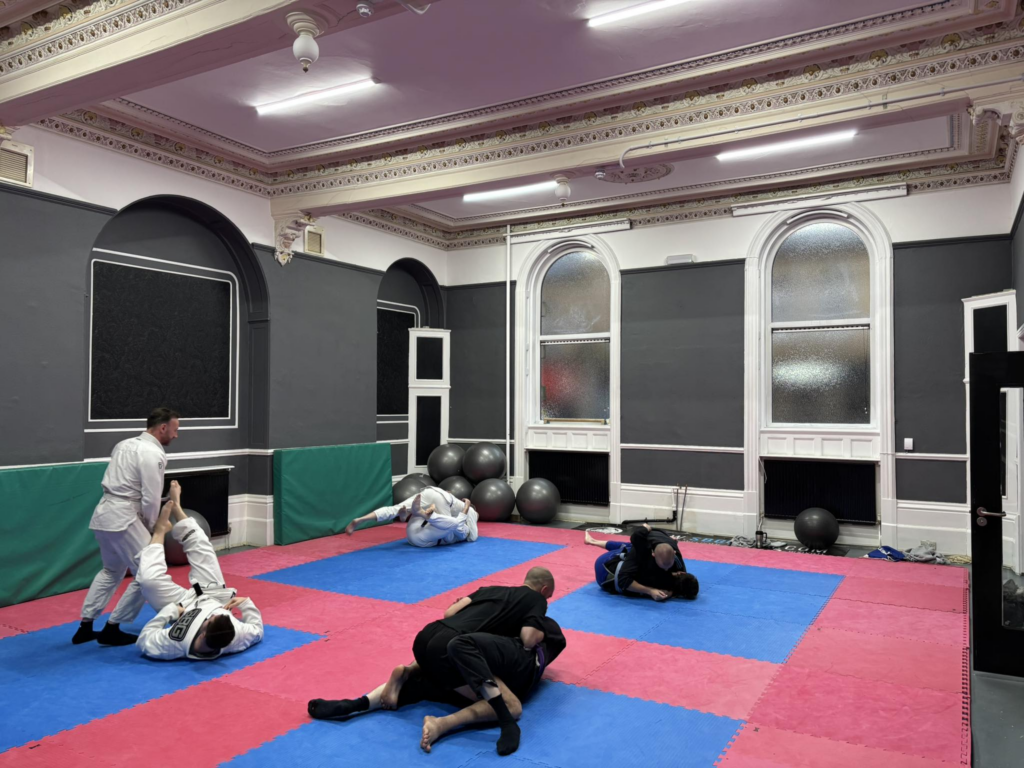
Brazilian Jiu Jitsu (BJJ) is often misunderstood as dangerous because it is a combat sport. In reality, it is one of the most controlled and scalable ways to train. Perfect for kids, beginners or people who can no longer enjoy team sports like football due to injury.
Why BJJ Has a Lower Risk Profile Than People Expect
- Training is ground based and low impact
- Movements are controlled rather than explosive
- Technique matters more than speed or strength
- Intensity can be adjusted instantly
- Rest is built into every session
There is no pressure to lift heavier, run faster or keep up with the clock.
Beginners spend most of their time learning, drilling and moving at a controlled pace.
Assessing Risk Versus Benefit
High Intensity Programs
Benefits
- Fast cardiovascular gains
- High calorie output
- Strong sense of achievement
Risks
- High injury potential
- Long recovery times
- Burnout and inconsistency
Brazilian Jiu Jitsu
Benefits
- Builds strength and mobility
- Improves coordination and mental focus
- Low impact and scalable
- Strong community support
- Sustainable long term
Risks
- Minor bumps and soreness
- Learning curve for beginners
When weighed properly, the risk profile is far more manageable, buttock your gym wisely. You don’t want to be going where they allow random beginners in the class, this leads to injuries where you don’t know who is on the mat and you don’t get correctly paired. A good gym owner will ensure that you’re paired safely to get the most out of the experience.

The Question People Should Ask
Instead of asking:
How hard can I train?
A better question is:
How consistently can I train without getting injured?
The best fitness plan is not the most extreme one. It is the one you can still do in six months time.
January Fitness Done Smart
Reinventing your fitness is great decision, doing it without considering injury risk is not.
Brazilian Jiu Jitsu offers a rare balance of challenge and control.
It pushes you mentally and physically without punishing your joints or nervous system.
For people returning to excersise, changing body composition or simply wanting a smarter way to train, BJJ is not the reckless choice, it is the considered one. It’s also a great place to network and meet people with a common goal, the BJJ community is a very welcoming one. If you like travel, there’s opportunities to train all over the world.
If you’re a gym owner reading this and you want to know how we can help you attract more high quality members and build the best sales funnel, then please get in touch.